The Salt Pans: the white gold of the Maremma
In the past, Marina di Grosseto was known for its salt pans, which were essential to the local economy since Etruscan and Roman times. Salt, precious for preserving food, was extracted in large basins that relied on the evaporation of seawater. The salt pans remained active until the 19th century, when they began to lose importance with the advent of new preservation methods.
📌 Did you know? The name “San Rocco” comes from an ancient chapel that once stood near the salt pans, dedicated to the saint protector against the plague.
The Pine Forest: a green lung planted by humans
The beautiful pine forest that now surrounds Marina di Grosseto is not entirely natural: it was planted in the 19th century to reclaim the marshy land and combat malaria, once widespread in the Maremma. Today it is a protected area offering shade and coolness, an ideal habitat for fallow deer, foxes, wild boar, and many species of birds.
📌 Did you know? Many modern roads still follow the routes of the drainage canals used to dry out the marshes.
Forte San Rocco: a sentinel by the sea
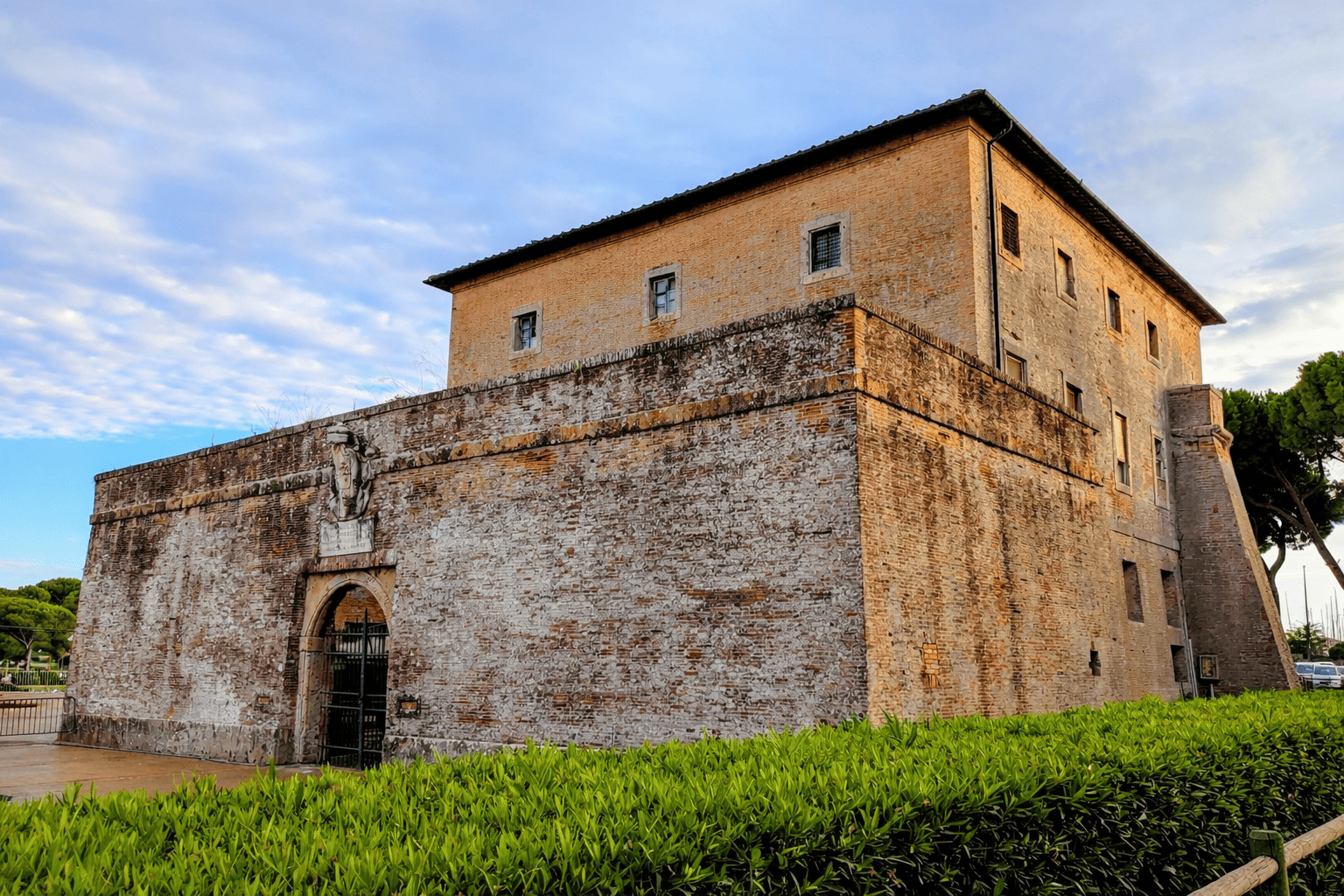
Built in 1788 at the request of Grand Duke of Tuscany Pietro Leopoldo, Forte San Rocco was intended to control the coastline and protect the salt pans from pirate raids and smugglers. Once completed, it was instead used as a health outpost for the coastal area, as pirate activity had shifted to other seas.
Still well preserved today, it is one of the historical symbols of the town. While internal restoration is still underway to allow visits, it provides an ideal venue for cultural activities held during the summer in the square behind the fort. It hosts the San Rocco Festival, featuring theatrical performances, concerts, and dance shows, with the evocative backdrop of the fort as its stage.
📌 Did you know? The first stable community of Marina di Grosseto developed around the fort: fishermen, salt workers, and Grand Ducal guards.